

Ask Jake, unfiltered
After nearly a decade of answering your questions, it’s time to go deeper.

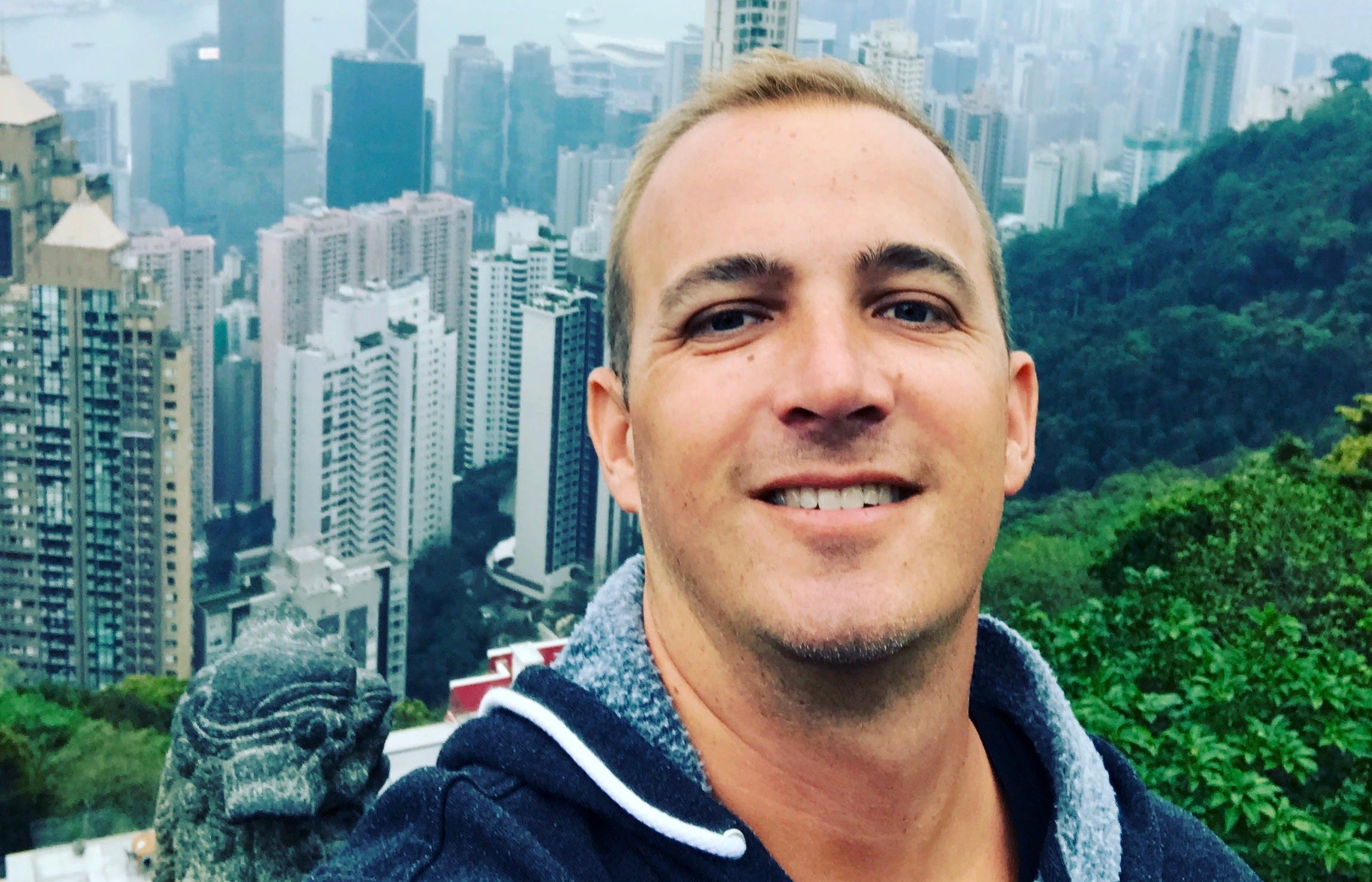
Growing up gay has been both one of the most liberating and challenging experiences I can imagine. On one hand, I’ve been able to carve out a life outside of heteronormative expectations and live more freely, gaining a deeper appreciation for authenticity, self-acceptance, and being fully seen. On the other hand, the reality of growing up in a world that judges or marginalizes us leaves a mark that can linger for a lifetime.
It’s actually why I became a therapist, working almost exclusively with the LGBTQ community, and even started a platform for online therapy that’s authentically for and by the community. I was drawn to the profession because, in helping others, I was also reinforcing things I needed to learn myself.
Over time, both in my work and in my own life, I started hearing a whole lot of questions. People wanted to know how to handle the ins and outs of being a gay person in our world. From the logistical to the existential to the outright outrageous (and occasionally, yes, a little unhinged), there was a real need for guidance.
So, back in June 2017, I started a little advice column on Queerty called Ask Jake. I asked you to write in, and I’d share my thoughts. And something about it just… clicked. Here we are, almost 10 years later, and the column is more popular than ever.
And I think I know why.
No matter how different someone’s story was on the surface, the underlying themes were often the same. Shame. Fear of rejection. Questions about worth. The tension between wanting connection and protecting yourself from getting hurt. It didn’t matter if someone was talking about a hookup, a long-term relationship, family, or sex—there was usually something deeper underneath it.
The specifics would change, but the core felt… universal. One person might be asking about a boyfriend who won’t commit, another about a kink they feel embarrassed about, another about something that happened at work—but at the heart of it, they were all asking some version of the same thing:
Am I okay? Am I too much? Not enough? Is there something wrong with me?
And the answer, almost always, is no. But it’s rarely that simple to actually feel that.
That’s really what Ask Jake became about for me. Not just giving advice, but translating what’s underneath the question. Taking something that feels isolating or shameful and putting it into words in a way that helps people feel less alone—and more understood.
This Substack is an extension of that.
Here, you’ll get the columns early. But more importantly, you’ll get everything that doesn’t make it into the final edit, including the unfiltered take I didn’t always include the first time around. I’ll share additional context, emails I received about classic posts, or how I see certain issues differently now. Sometimes that means going deeper, sometimes it means being a little more direct, and sometimes it just means being more honest about the messiness of it all.
You’ll also be able to ask me questions directly—either privately or in the comments—and I’ll do my best to respond with original posts you won’t find on Queerty. Part of what makes this work meaningful to me is the sense that it’s not just me talking at you, but something more like a conversation.
There are a few ways to be part of this. Free subscribers get the weekly Ask Jake column and one deep dive a month — the same voice, the same honesty, no paywall. If you want more, paid subscribers get a second monthly deep dive with a full, unedited version — the things I cut, the thoughts I softened, the parts that didn’t make it past the editor. Think of it as Ask Jake: Unfiltered
And if you’re a founding member, you get all of that plus something I’ve never offered before: a private response to your own question, written thoughtfully just for you. Not a form letter. Not a canned answer. Yours. You can send a question anytime, at any level, to jake@askjakeadvice.com. I read everything.
One thing I’ve learned—from therapy, from writing, and honestly just from being a gay man trying to figure things out—is that most of us are walking around with versions of the same questions. We just don’t always say them out loud.
This is a space where you can.